How to Run With Your Dog: Safety Tips & Training Guide
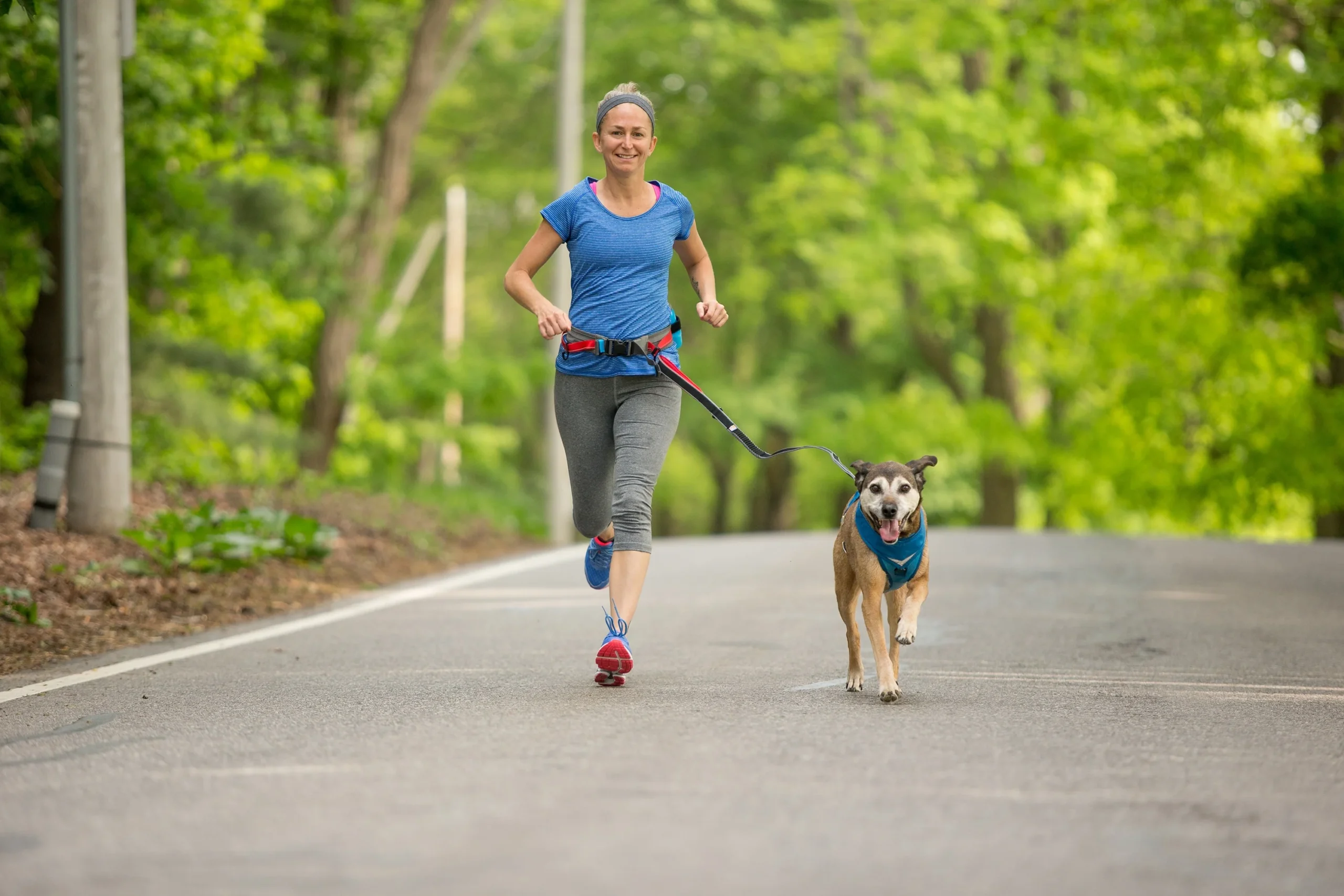
Running with your dog is a fantastic way to spend quality time together, keep in shape, and enjoy the great outdoors. Additionally, dogs may now participate in the fun instead of waiting at home thanks to the growing number of dog-friendly run clubs. Are you prepared to put on your shoes? Here’s all the information you need to take your dog for a relaxing, safe, and enjoyable run.
How to Tell if Your Dog is Ready for Running
Age
Puppies are adorable bundles of energy, but their bodies are still growing, so it’s best to wait until they’re at least a year old before introducing them to running. And for our senior furry friends? Arthritis or other health issues can make running uncomfortable. A quick check-up with the vet will tell you if your dog is good to go.
Breed Type
Not every dog is built for running marathons. Breeds like Pugs or Bulldogs with their cute-but-short noses can struggle with breathing, while shorter-legged breeds like Dachshunds might not be cut out for longer distances. But what if you’ve got a retriever, border collie, or Dalmatian on your hands? Get ready to hit the trails—these breeds tend to thrive on runs!
Health Conditions
Before you hit the ground running, make sure your dog doesn’t have any underlying health concerns like hip dysplasia, heart issues, or respiratory problems. Regular vet visits will help ensure your dog is in tip-top shape for those morning jogs.
Basic Training Tips for Running with Your Dog
Lead Training
A dog that walks politely on a lead is a game-changer when it comes to running. Start with basic lead training to get them used to staying by your side without pulling. Consistency is key here—you want your pup to know that running together means running together
Essential Commands for Running
Having a few key commands in your toolkit can make running with your dog a smoother, safer, and more enjoyable experience. These commands help you maintain control, navigate tricky situations, and keep your dog focused during the run.










Top Tips for a Safe and Fun Run
Start slow.
Start with a gentle walk to let your dog stretch their legs and take a toilet break before the run. It’s a nice warm-up for their muscles and helps them settle into the exercise.
Build Up Gradually
Dogs, like us, need time to build endurance. Start with short bursts of running mixed with walking. As your dog gets stronger, you can increase the distance and speed little by little until you’re both comfortably running longer stretches.
Pay Attention to Your Dog’s Signals
Your dog’s body language will tell you when it’s time to slow down or take a break. Keep an eye out for signs like excessive panting, falling behind, or limping. When in doubt, stop the run—your dog’s health comes first!