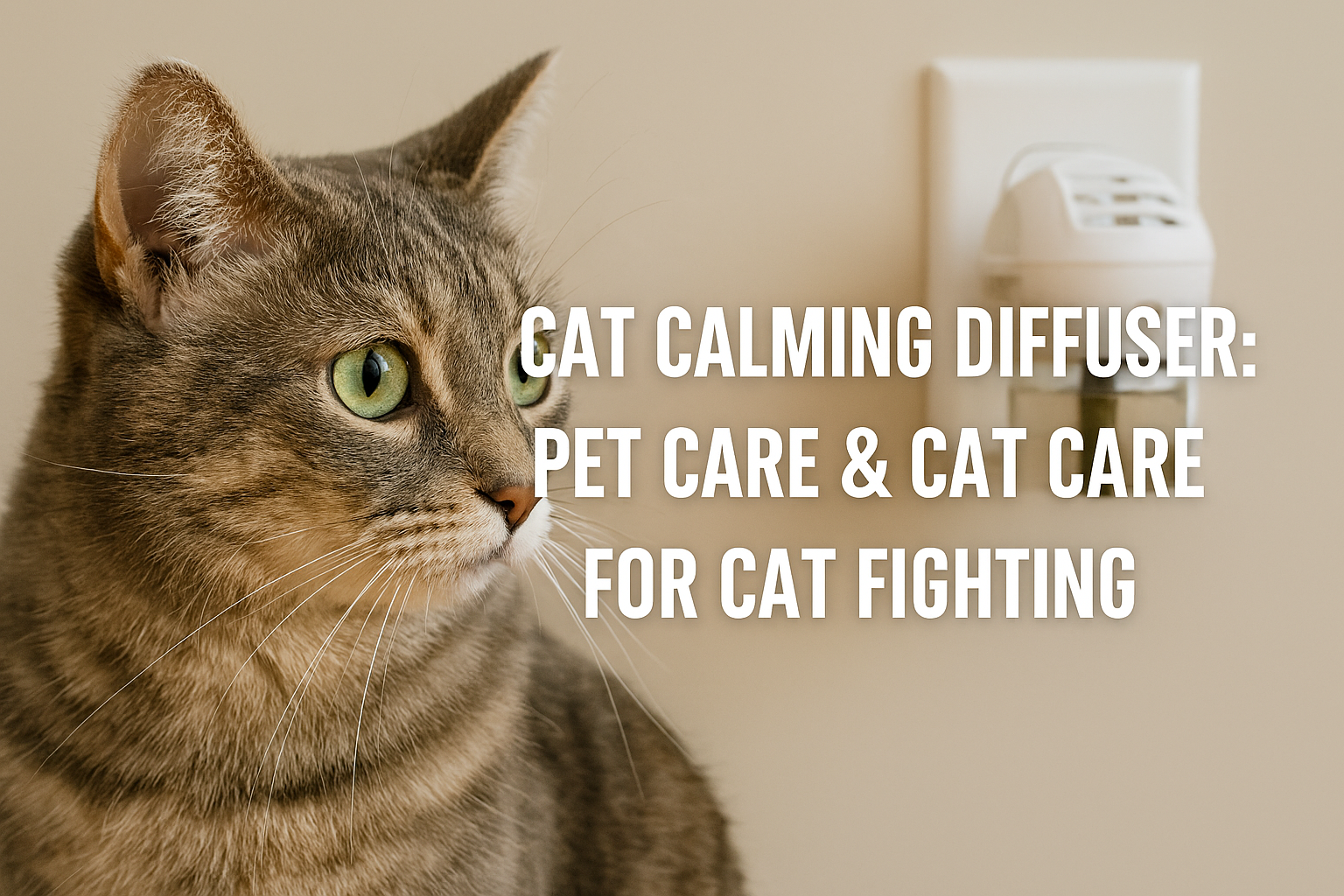
Multi‑cat homes can feel like a soap opera—slow blinks one moment, arched backs and swats the next. If you’re searching for a gentle, science‑backed way to bring peace to your living room, a Cat Calming Diffuser is one of the easiest tools to try. In this guide, you’ll learn how pheromone diffusers work, when to use them, how to set them up, and how to integrate them into a broader pet care and cat care plan that reduces cat fighting, stress, and unwanted behaviors.
What Is a Cat Calming Diffuser?
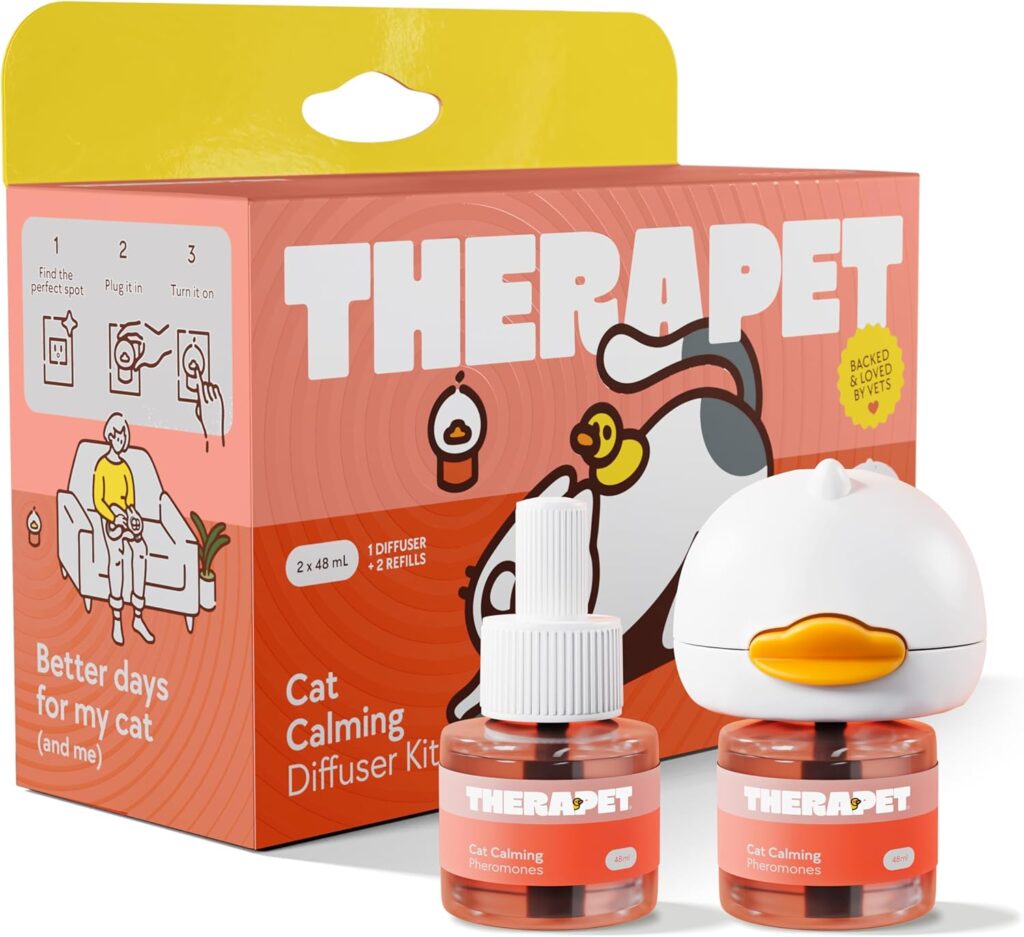
A cat calming diffuser is a plug‑in device that slowly releases synthetic analogs of feline facial pheromones (often called F3) or maternal pheromones. These chemical signals are species‑specific: cats use them to communicate safety, territory marking, and social comfort. Unlike essential oils or scented sprays, pheromones are odorless to humans and dogs and act only on feline receptors.
Why pheromones?
- Feline Facial Pheromone (F3 analog): Signals “this place is safe.” Helps with territorial stress, urine marking, scratching, and anxiety related to environmental change.
- Maternal Appeasing Pheromone (CAP analog): Mimics pheromones produced by nursing queens, promoting social harmony, especially in multi‑cat situations.
Bottom line: A diffuser doesn’t sedate your cat. It nudges the cat’s emotional baseline toward calm, making it easier to learn new habits and accept changes—key for reducing cat fighting and supporting long‑term pet care.
When to Use a Cat Calming Diffuser
Consider a diffuser if you notice:
- Cat fighting or tension—staring, blocking, stalking, swatting, chasing, or full-on brawls.
- Territorial marking—urine spraying or vertical scratching near doors, windows, or high‑traffic routes.
- Environmental changes—new pet, baby, furniture, renovations, moving house, or holiday visitors.
- Stress signs—overgrooming, hiding, excessive meowing, decreased appetite, or litter box avoidance.
- Reintroduction—after a vet visit or short separation (some cats “smell strange” post‑clinic and clash).
A diffuser is not a cure‑all, but it’s often a high‑reward, low‑effort step that sets the stage for behavior improvement.
How to Set Up a Cat Calming Diffuser (Step‑by‑Step)
- Pick the correct formula.
- For territorial issues and general anxiety: choose F3 facial pheromone formulas.
- For multi‑cat tension and cat fighting: choose multi‑cat/maternal appeasing pheromone formulas.
- Choose the right location.
- Place the diffuser in the core living area where cats spend the most time—near resting zones, feeding areas (but not right next to bowls), or common walkways.
- Avoid hiding the diffuser behind curtains, furniture, or near open windows/vents; air flow reduces effectiveness.
- Height & clearance.
- Plug into a standard outlet with 5–10 inches of space above the unit. Heat rising from the device helps carry pheromones.
- Coverage & quantity.
- One diffuser usually covers ~50–70 m² (500–700 ft²). Large or multi‑story homes may need more units.
- For cat care in multi‑cat homes, start with one diffuser per main zone (living room, hallway to litter boxes, or near known conflict hotspots).
- Timing.
- Plug in at least 24–48 hours before an anticipated stressor (new cat arrival, party, trip).
- For ongoing pet care, keep it running continuously for 4–6 weeks before judging results. Replace refills monthly.
- Combine with management.
- Pheromones work best when paired with environment and routine changes (detailed below).
Cat Fighting 101: Why Conflicts Start
To truly fix cat fighting, address the why behind it. Common triggers:
- Resource guarding: Not enough litter boxes, resting spots, scratching posts, food/water stations.
- Territorial tension: Cats are solitary hunters by nature; cramped layouts and bottlenecks spark conflict.
- Unfamiliar scents: Vet visits, outdoor cats near windows, new furniture, or human guests.
- Boredom/under‑stimulation: Pent‑up energy becomes redirected aggression.
- Pain or illness: Discomfort reduces tolerance—one cat hisses or swats more easily.
- Improper introductions: Placing two unfamiliar cats together without gradual steps.
A Cat Calming Diffuser reduces baseline stress, but environment design and behavior plans are what end fights long‑term.
The Complete Pet Care Plan: Pair Your Diffuser with Smart Cat Care
1) Multiply Essential Resources
Use the “N+1 Rule”: for N cats, provide N+1 of each resource.
- Litter boxes: At least N+1, in quiet, open areas—not all in one room.
- Feeding stations: Separate bowls and locations to prevent crowding.
- Water sources: Multiple bowls or a fountain; cats prefer distance from food.
- Scratching options: Vertical and horizontal, sisal and cardboard.
- Resting spots: Perches, window seats, and covered hideouts.
Spread these across different rooms/floors so one confident cat can’t “own” everything.
2) Build Vertical Territory
Cats think in three dimensions. Add cat trees, shelves, window perches, and safe high‑routes to bypass each other. Elevated spaces increase a cat’s sense of control and reduce confrontations.
3) Create Predictable Routines
- Meal times: Consistent schedules lower stress.
- Play sessions: 10–15 minutes twice daily of wand play (hunt‑chase‑pounce sequence), then feed a small snack to satisfy the “hunt.”
- Quiet hours: Provide calm, low‑traffic periods—especially useful in busy homes.
4) Scent Strategy
- Keep the cat calming diffuser running near shared spaces.
- Use scent swapping during introductions: exchange bedding or rub a soft cloth on one cat’s cheeks and place it near the other’s resting area.
- After vet visits, separate briefly and reintroduce with door feeding to rebuild positive associations.
5) Smart Introductions (or Re‑introductions)
If cats are already fighting or you’re adding a new cat:
Phase A: Complete Separation
- Separate rooms with own resources. Start the diffuser in both zones if possible.
- Feed both cats on opposite sides of the closed door to pair each other’s scent with good outcomes.
Phase B: Scent & Sound
- Swap blankets, rotate rooms, and play with each cat near the door.
- Use a baby gate with a barrier towel—lift the towel for brief glimpses while feeding.
Phase C: Visual Access & Short Sessions
- Controlled line‑of‑sight sessions with interactive play and reward tosses.
- If either cat stiffens, stares, or tail lashes—end on a positive note and try shorter sessions next time.
Phase D: Supervised Together Time
- Gradually extend time together while maintaining escape routes and vertical spaces.
- Keep the diffuser running and continue daily play to drain energy.
6) Health Check
Schedule a vet exam if you notice sudden aggression, weight change, or litter box issues. Pain (dental disease, arthritis, urinary problems) reduces patience and increases the chance of fights. Effective cat care always includes medical screening.
Measuring Results: What to Expect from a Cat Calming Diffuser
- Week 1–2: Subtle shifts—less staring, more relaxed body language, fewer marking incidents.
- Week 3–4: Noticeable improvement—shorter or fewer confrontations, more shared space tolerance.
- Week 5–6: Stable patterns—household feels calmer; conflicts are easier to interrupt.
Tip: Keep a behavior log. Track incidents, duration, triggers, and locations. This helps you adjust diffuser placement and the environment.
Troubleshooting: If Cat Fighting Persists
- Add another diffuser in conflict zones (hallway chokepoints, near litter box routes).
- Increase enrichment: Puzzle feeders, window bird TV (properly secured), supervised leash walks (harness‑trained cats).
- Restructure space: Move furniture to widen pathways; avoid dead‑ends where a cat can be trapped.
- Use barriers strategically: Foldable gates or room dividers to create visual breaks.
- Adjust routines: More play before problem times (e.g., dusk), scheduled calm periods.
- Consult a behavior professional: A certified cat behaviorist or your vet can tailor a plan.
Safety & Best Practices
- Non‑sedative: Pheromones don’t drug your cat; they modulate emotion.
- Odorless to humans: Safe around people and dogs; avoid use in rooms with birds or pocket pets unless your vet approves.
- Essential oils caution: Do not substitute with essential oils; many are toxic to cats.
- Ventilation: Normal room ventilation is fine. Do not place diffusers near open windows or strong fans.
- Power safety: Keep away from drapes or bedding; check manufacturers’ electrical guidelines.
- Pregnant or nursing cats: Pheromone products are generally considered safe, but consult your veterinarian for specific cases.
Sample Daily Routine (Template You Can Copy)
Morning
- Refill water fountains.
- 10 minutes wand play → small snack.
- Quick check: diffuser light on, not blocked.
- Litter scoop (keeps scent neutral and reduces territorial stress).
Afternoon
- Short enrichment: puzzle feeder or treat hunt.
- Rotate resting spots or open alternate room for variety.
Evening
- 10–15 minutes wand play for each cat separately, then a joint play if peace allows.
- Feed dinner at separate stations.
- Quiet time with lights dimmed; soothing music if your cats like it.
Weekly
- Wipe common scratch posts with a soft cloth to keep familiar scent.
- Note any cat fighting incidents and adjust environment.
- Replace pheromone refill every 30 days.
Frequently Asked Questions
Q1: Will a cat calming diffuser stop fights instantly?
A: No. It reduces baseline stress so training and environmental changes work better. Most homes see improvement over 2–6 weeks.
Q2: Can I use a diffuser with kittens?
A: Yes, pheromones are species‑specific and non‑drug. They’re often used to ease introductions and crate training. Always keep cords and devices out of reach.
Q3: Where should I put the diffuser if I have multiple cats?
A: Start in the shared living area or the hallway where clashes occur. For large homes, add units to each cat’s primary territory to create a calm overlap.
Q4: Do pheromones help with peeing outside the litter box?
A: If the cause is stress or territorial marking, pheromones help. But rule out medical issues (UTI, crystals, pain) with your vet and optimize litter box setup (N+1 boxes, unscented litter, large boxes, quiet locations).
Q5: Should I turn it off at night?
A: Keep it on 24/7 for steady background levels. Turning it on/off reduces consistency.
Quick Buyer’s Checklist
When shopping for a Cat Calming Diffuser:
- Formula type: Multi‑cat (appeasing pheromone) vs. classic (facial pheromone).
- Coverage area: Match the size of your space.
- Refill life: Most last ~30 days; mark your calendar.
- Indicator light & safety features: Helpful for quick checks.
- Brand reputation & reviews: Look for evidence‑informed products and clear instructions.
Pro tip: If you’re introducing a new cat, start the diffuser a few days before arrival and have separate resources ready. This single step dramatically improves first impressions.